The Fitness Equipment You Buy vs. The Fitness Equipment You Actually Use
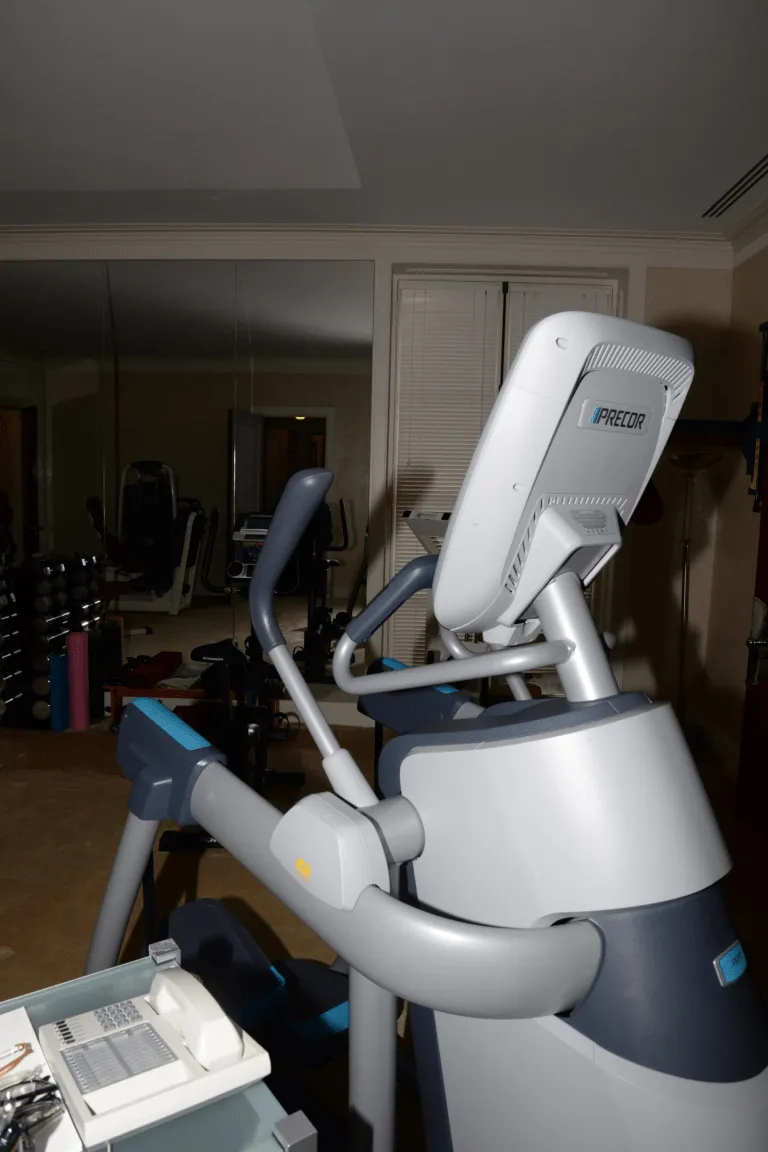
Photo: Federal Bureau of Investigation, Public domain, via Wikimedia Commons
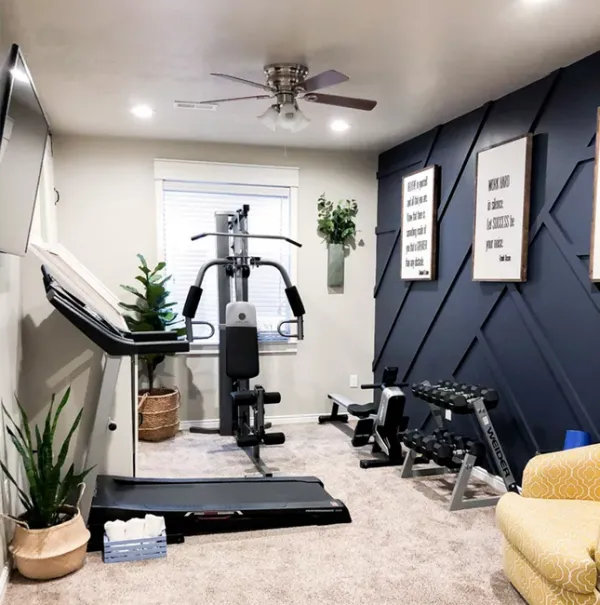
Somewhere in America right now, there is a treadmill being used as a clothing storage solution. A set of resistance bands is tangled up in the back of a closet, untouched since February. A kettlebell is serving as a very expensive doorstop. Sound familiar?
You're not alone — not even close. Studies on fitness equipment usage suggest that a significant majority of home gym purchases end up largely unused within months of being bought. The fitness equipment industry in the US generates billions of dollars annually, and a substantial chunk of that revenue comes from repeat buyers — people who abandon what they have and convince themselves the next thing will be different.
It rarely is. But it doesn't have to be that way.
Why We Buy Equipment We Don't Use
The gap between "equipment purchased" and "equipment used" isn't a motivation problem. It's a psychology problem — and understanding the mechanics of it is the first step to actually solving it.
We buy for our aspirational selves, not our actual selves.
When you're standing in Dick's Sporting Goods or scrolling Amazon at 11pm, you're not thinking about the version of yourself who got home after a long day and just wants to sit on the couch. You're thinking about the version of yourself who wakes up at 6am, has a structured routine, and genuinely enjoys hour-long workouts. That person might exist on weekends. They don't always show up on a Tuesday after a rough commute.
Behavioral economists call this the "optimism bias" — we systematically overestimate our future motivation and underestimate the friction that daily life creates. We buy equipment for the gym life we wish we had instead of the one we're actually going to live.
We underestimate friction.
Friction is the enemy of consistency. If your rowing machine is folded up in the garage behind your holiday decorations, you're not going to use it. If your dumbbells are in the basement and your living room is where you actually spend your evenings, the dumbbells lose. Every extra step between you and starting a workout is a psychological hurdle — and those hurdles compound fast.
We buy equipment that requires a level of commitment we're not ready for.
A $2,000 Peloton sounds incredible in the store. But if you've never really been a cyclist, that bike is going to feel foreign, uncomfortable, and intimidating every time you look at it. Buying advanced equipment before you've built the habit is putting the cart before the horse.
Which Equipment Actually Gets Used Long-Term?
Here's what the data — and real-world gym owners — consistently point to as the stickiest fitness equipment:
Adjustable dumbbells top almost every list. They're versatile, they take up almost no space, they scale with your fitness level, and they require zero setup. The barrier to picking them up and doing something is essentially zero. That low friction is everything.
Pull-up bars are another high-retention item. They're cheap, they mount in a doorframe, and they're brutally effective. People who buy them tend to actually use them — partly because they're always visible and partly because the exercise itself is a clear, measurable challenge.
Kettlebells have strong stickiness among people who learn how to use them properly. The key word is "properly" — a kettlebell swing is a skill, and people who invest a little time in learning the movement tend to stick with it. Those who buy one and just try to wing it often get frustrated or hurt.
Cardio machines — treadmills, ellipticals, stationary bikes — have the worst long-term usage rates of any category. They're expensive, they're bulky, and they're boring unless you're pairing them with content (shows, music, structured classes). The ones that do get consistent use almost always have a screen or a connected experience attached.
Resistance bands are a fascinating case. They get abandoned constantly — but almost always because people don't know how to use them effectively, not because they're bad tools. For people who take the time to learn programming with bands, retention is actually solid.
The Behavioral Economics of Sticking With It
A few principles from behavioral science that apply directly to fitness equipment:
The Sunk Cost Trap Works Both Ways. Most people know about sunk cost fallacy — continuing to do something because you've already invested in it, even when it's not working. But in fitness, a moderate financial commitment can actually help with follow-through. Research on gym memberships found that people who paid more were more likely to show up. The same logic applies to equipment. Buying cheap, low-quality gear makes it psychologically easier to abandon. Investing in something durable and well-made creates a sense of accountability.
Visibility is underrated. Out of sight, out of mind is a real phenomenon. Equipment that lives in your living space — even if it's just a set of dumbbells next to the couch — gets used more often than equipment stored away. This is worth factoring into your purchasing decisions before you buy something that requires its own dedicated room.
Habit stacking works. Attaching equipment use to an existing habit dramatically increases retention. "I'll do 10 minutes on the bike while my coffee brews" is a far more sustainable plan than "I'll work out when I feel motivated."
A Practical Framework for Buying Equipment You'll Actually Use
Before you hand over your credit card, run through these questions:
- Where will this live? If you don't have a specific, accessible spot for it right now, figure that out before you buy — not after.
- Does it fit your actual schedule? If you have 20-minute windows, don't buy equipment built for 60-minute sessions.
- Have you tried this type of exercise before? Equipment that corresponds to movement you already enjoy has far higher retention than equipment tied to something you're hoping to learn to love.
- What's the lowest-friction version of this? Adjustable dumbbells beat a full rack. A doorframe pull-up bar beats a dedicated squat cage for most people's homes. Start simpler than you think you need to.
- What's your plan for the first 30 days? If you can't answer this specifically, you're not ready to buy yet.
Start Small, Build Real
The best home gym setup is the one you'll actually use six months from now. That might be a $30 set of resistance bands and a pull-up bar. It might be a pair of adjustable dumbbells and a yoga mat. It almost certainly isn't a full commercial-grade setup that requires rearranging your entire garage.
Build the habit first. Add equipment second. The gear should support a routine that already exists — not create one from scratch.
The graveyard of abandoned fitness equipment is full of products that weren't bad. They just weren't bought thoughtfully. Don't add to the pile. Train smarter, buy smarter, and give yourself a real shot at making it stick.